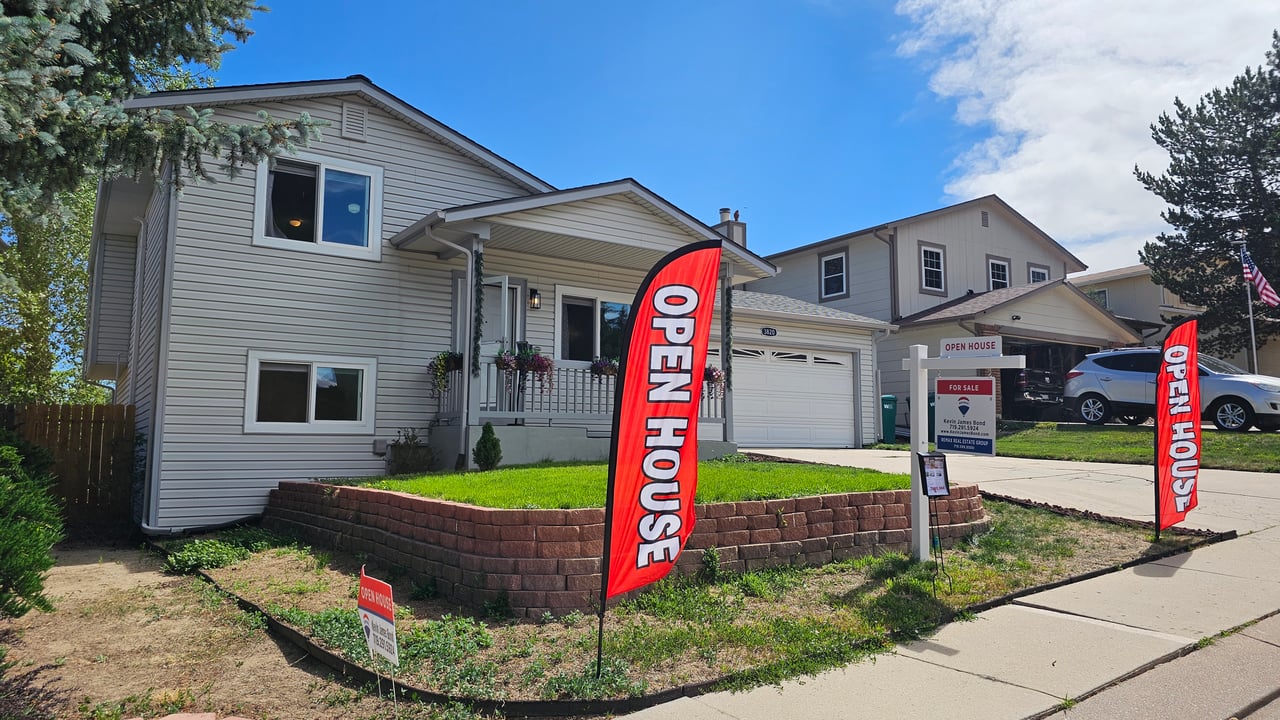
Understanding the Colorado Springs Housing Market
If you are thinking about selling a home in Colorado Springs, one of the first questions is often, “What is my home worth right now?” The answer depends on more than the last home that sold on your street. It also depends on how many similar homes are for sale, how quickly buyers are making decisions, what buyers are willing to pay, and whether competing sellers are reducing their prices. Understanding these factors can help you set a realistic asking price, prepare for negotiations, and make better decisions about when to sell.
What Is the Colorado Springs Housing Market Like Right Now?
The local market changes throughout the year and can vary significantly by neighborhood, price range, property type, and condition. According to a September 2026 market report based on Pikes Peak REALTOR Services Corp. data, the Pikes Peak region had 4,253 active listings, a median sale price of $479,000, and approximately 4.6 months of housing supply. The average sale price was $545,660, down 3.5% from a year earlier, while the median sale price was nearly unchanged. Homes spent a median of 53 days on the market.
These figures describe the broader market, not the value or expected selling time of any one home For sellers, the main takeaway is that buyers have more homes to compare than they did during tighter market conditions. Pricing, property condition, and competition deserve careful attention.
What Does Housing Inventory Tell Sellers?
Inventory measures the number of homes available for sale. When inventory rises, buyers generally have more choices. Sellers must compete with more properties for the attention of the same pool of buyers.
One related measure is months of supply. This estimates how long it would take to sell the current inventory at the recent pace of sales, assuming no additional homes came on the market. Lower supply often gives sellers more negotiating power. Higher supply can give buyers more choices and time to compare properties.
However, the overall supply figure does not tell the entire story. A home priced at $400,000 may face very different competition from one priced at $750,000. Even homes in the same price range can compete differently based on location, layout, lot size, updates, and condition. When reviewing inventory, look at homes that a buyer would realistically consider instead of relying only on citywide totals.
How Do Sale Prices Affect Your Asking Price?
A home's asking price is what the seller hopes to receive. Its sale price is what a buyer ultimately agrees to pay, subject to the terms of the transaction. Recent closed sales are important because they show what buyers have actually paid. Active listings provide a different kind of information: they show what your home will compete against today. Pending sales can help reveal where the market is heading, although the final sale prices may not yet be public.
A useful pricing review considers all three groups:
- Recently sold homes: Evidence of what buyers have paid.
- Homes under contract: Clues about current buyer demand, although final prices may be unknown.
- Active listings: Your competition for buyers who are shopping now.
A home that sold several months ago may be less relevant if mortgage rates, inventory, or buyer demand have changed since then.
Why Do Days on Market Matter?
Days on market measures how long a property has been listed before reaching the relevant market milestone. Reporting methods can differ, so it is important to compare the same metric across reports. Longer marketing times can indicate that buyers are taking more time, that there are more homes to choose from, or that a property is not meeting buyer expectations for its price and condition.
A home that has been listed for several weeks is not automatically defective or overpriced. There may be other explanations, including limited demand for that property type, seasonal timing, or a small pool of qualified buyers. For sellers, days on market is most useful when compared with similar properties. If comparable homes are going under contract quickly while yours receives few showings, it may be time to review the price, presentation, or marketing plan.
What Do Price Reductions Tell Us?
A price reduction means a seller has lowered the asking price. It does not automatically mean the home's market value has fallen by the same amount. Price reductions can happen because a home was initially priced too high, market conditions changed, the seller's timeline changed, or buyer feedback revealed a problem with the price or presentation.
The number of competing listings with price reductions can also provide useful context. If many similar homes have lowered their prices, buyers may have more options at lower asking prices. A reduction should be based on evidence rather than simply choosing a small discount to see what happens. The goal is to position the home where the likely buyers will consider it against the available alternatives.
How Should Sellers Use Market Data?
Market statistics are most useful when they lead to specific decisions. Before listing, review the recent sale prices of comparable homes, the number of competing listings, their condition and price history, and the time similar homes are taking to sell. Then consider your own priorities, including your preferred timeline and the amount you need to net from the sale. Once the home is listed, monitor showing activity, buyer feedback, new competing listings, and changes to pending or sold properties. If the market response is weaker than expected, discuss whether a change in price or presentation is warranted.
Get a Home-Specific Market Review
Citywide statistics provide context, but they cannot tell you exactly what your home will sell for. A property-specific review can compare your home with recent sales and current competition in your neighborhood and price range.
I help homeowners in Colorado Springs and El Paso County understand the data, evaluate their options, and make decisions based on their circumstances.
If you are considering selling, contact me for a review of your home's market position: (https://kevinjamesbond.com/).
Related resources: [How to Price Your Home in Colorado Springs] | [What to Fix Before Selling Your Home in Colorado Springs] | [Understanding Home Offers and Seller Costs in Colorado Springs]
Market data reflects the reporting period and source identified above. Statistics change over time and may differ by property type, geographic area, and reporting method. A comparative market analysis is an estimate, not a guarantee of selling price or timing.