Buying a Home From Out of State in Colorado Springs
Buying a home from another state can be challenging because you cannot easily stop by a property, drive through a neighborhood, or attend every appointment in person. A remote purchase can still be managed with a clear process. The key is to gather reliable information, understand the limits of photos and video, and plan ahead for inspections, deadlines, and closing.
Get Your Financing Ready First
Before touring homes, talk with a lender about your budget, available funds, loan options, and expected monthly payment. Ask the lender to account for the full cost of ownership, including principal and interest, property taxes, homeowners insurance, mortgage insurance if applicable, and HOA dues where relevant. If you are relocating for work or military orders, explain your timing and employment situation to the lender early. Ask what documentation will be needed and whether any details of the move could affect underwriting.
A preapproval helps you understand your likely price range, but it is not a final loan approval. The lender will still need to review your financial information and the property before the loan can close.
Choose a Local Real Estate Agent Who Can Represent You Remotely
When you cannot be present, communication and attention to detail become especially important. Discuss how you prefer to communicate, how quickly you need responses, and what kind of help you expect during showings and negotiations. Establish how you will review homes, receive video walkthroughs, and make decisions when a property needs a quick response.
You should also understand the buyer representation agreement and how your agent's compensation is handled before touring homes, as applicable. A local agent can help you understand the market, identify relevant properties, arrange access, communicate with the listing agent, and coordinate the transaction. An agent's observations are useful, but they do not replace a professional inspection or your own review of important documents.
Research Neighborhoods Before Choosing a Home
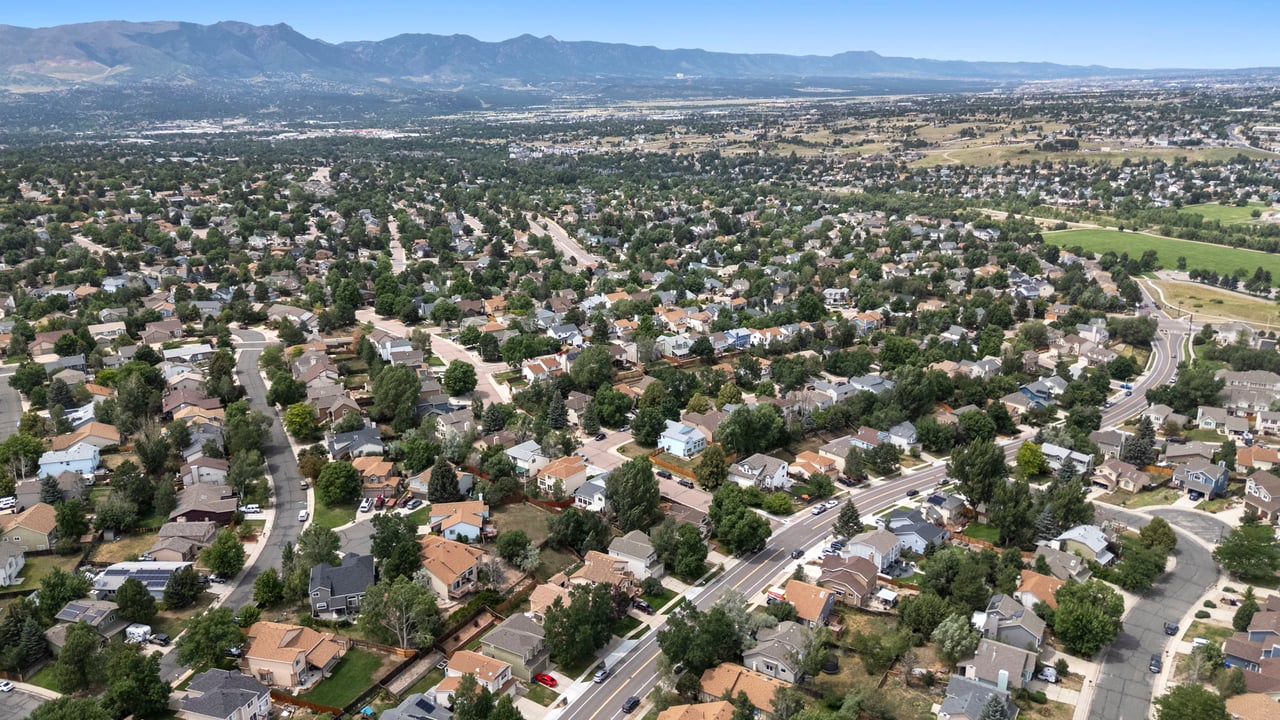
Online maps, street imagery, local government resources, and neighborhood guides can help you narrow your search. Start by identifying your work location, preferred commute, housing needs, and the services you use regularly. Then compare a few areas rather than searching across the entire region without a clear plan.
Look at the routes you would drive at normal commuting times. Check access to grocery stores, medical care, parks, schools if relevant, and other everyday destinations. If possible, ask someone local to show you the area by video. Keep in mind that online information may be outdated. Construction, traffic patterns, business hours, and school boundaries can change. Verify important details directly with the appropriate source.
What Should a Remote Showing Include?
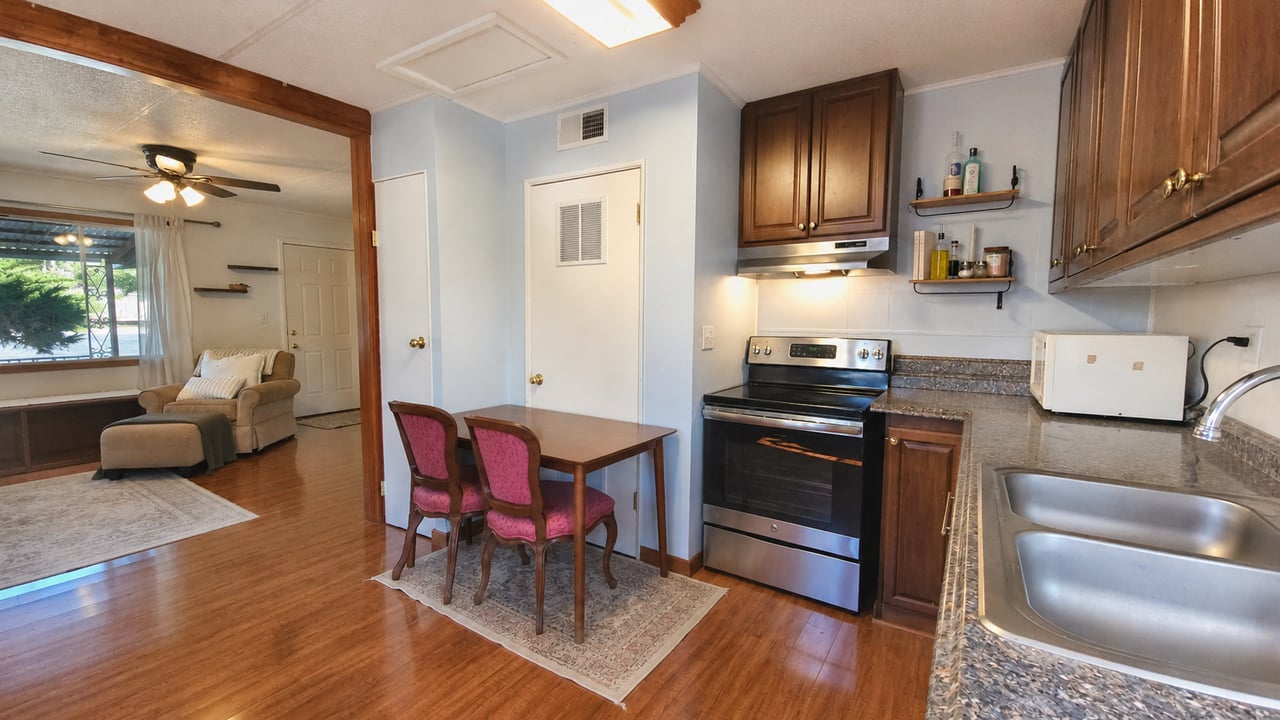
Listing photos and virtual tours are useful for screening properties, but they do not show everything. Wide-angle photography can make rooms look larger, and cameras may not capture odors, noise, uneven floors, or other concerns. For a live video walkthrough, ask the person showing the home to move slowly through each room and show the spaces from several angles. Request views of:
- Ceilings, floors, walls, and windows
- Kitchen and bathroom fixtures
- Closets, storage areas, and mechanical spaces
- Basement areas and visible signs of moisture
- Exterior walls, roofline, yard, and drainage
- Street, neighboring properties, and nearby traffic
Ask questions about anything that is unclear. If the property is vacant, ask about utilities and whether systems can be operated during the showing. Video is a screening tool, not a substitute for an inspection. If a detail is important to your decision, seek additional evidence or a qualified professional's assessment.
Review Property Disclosures and Available Records
Before making a decision, review the seller's property disclosures and any available information about the home's condition, age, repairs, and known issues. Depending on the property, you may also want to review permits, HOA documents, property taxes, insurance availability, and relevant flood or wildfire information.
If the home has an HOA, read the governing documents, dues, rules, and any available information about assessments or planned expenses. Do not assume the association's rules will match your expectations. Public records and seller disclosures can be helpful, but they may not answer every question. If something is unclear or incomplete, ask for clarification before your deadlines expire.
Do Not Skip the Home Inspection
Even if you cannot attend in person, arrange an independent home inspection within the timeframe permitted by your contract. Ask whether the inspector can provide photographs, a written report, and a phone or video review of the major findings. If the inspection identifies a concern that needs further evaluation, you may need a specialist, such as a roofer, electrician, plumber, or structural professional. If you can attend by video, ask the inspector whether that is practical. You can also arrange for your agent or another trusted person to be present, subject to the inspector's policies. The inspection helps you understand the property's condition, but it is not a guarantee that every defect will be found. Review the report carefully and make decisions before the contract's inspection deadlines.
The Consumer Financial Protection Bureau's homebuying guide explains important steps in the mortgage and closing process, including inspection, insurance, and closing preparation.
Understand the Contract and Deadlines
Remote buyers need a reliable system for tracking deadlines and reviewing documents. Make sure you understand the dates for earnest money, inspection objections or termination rights, appraisal, loan approval, title review, and closing. Ask your agent to explain what each deadline means and what choices you may have if a problem arises. Your rights depend on the signed contract and the circumstances, so do not rely on a general online article to interpret a specific situation. Before signing documents, read them carefully and ask questions about anything you do not understand. Some parts of the process may be completed electronically, while other requirements depend on the lender, title company, and transaction.
Protect Your Money During Closing
Remote purchases require particular care with closing instructions and money transfers. Wire fraud schemes may involve an email that appears to come from an agent, lender, or title company and provides fraudulent payment instructions. Do not rely on emailed changes to wiring instructions. Before sending funds, independently verify the instructions with the title or settlement company using a phone number you already know is legitimate. If instructions change unexpectedly, stop and verify them before transferring money.
The Consumer Financial Protection Bureau's guidance on mortgage closing scams explains how these scams work and how buyers can reduce their risk.
Plan for Closing and Moving In
Ask the title company and lender what documents must be signed in person and which can be completed remotely or electronically. Requirements can vary, so confirm the plan well before closing. Arrange homeowners insurance, utility service, and any needed property access ahead of time. If you will not be in Colorado Springs at closing, decide who can check the home's condition and confirm that agreed-upon items have been completed, if applicable. Plan how you will receive keys, access codes, garage remotes, HOA information, and other property details. If you are moving from another state, consider whether temporary housing or storage will be needed if the home is not ready when you arrive.
Buy Remotely With a Clear Plan
Buying from out of state involves more coordination, but you do not have to make every decision based only on listing photos. Use local knowledge, video walkthroughs, independent inspections, written records, and a clear deadline calendar to reduce uncertainty.
I help out-of-state buyers research Colorado Springs areas, evaluate homes remotely, coordinate the purchase process, and plan for the move.
Contact me to discuss buying a home in Colorado Springs from out of state.
This article provides general information. Contract rights, inspection options, lending requirements, and remote signing procedures depend on the transaction and the parties involved. Confirm details with your real estate agent, lender, inspector, and title company.