Choosing a Colorado Springs Neighborhood
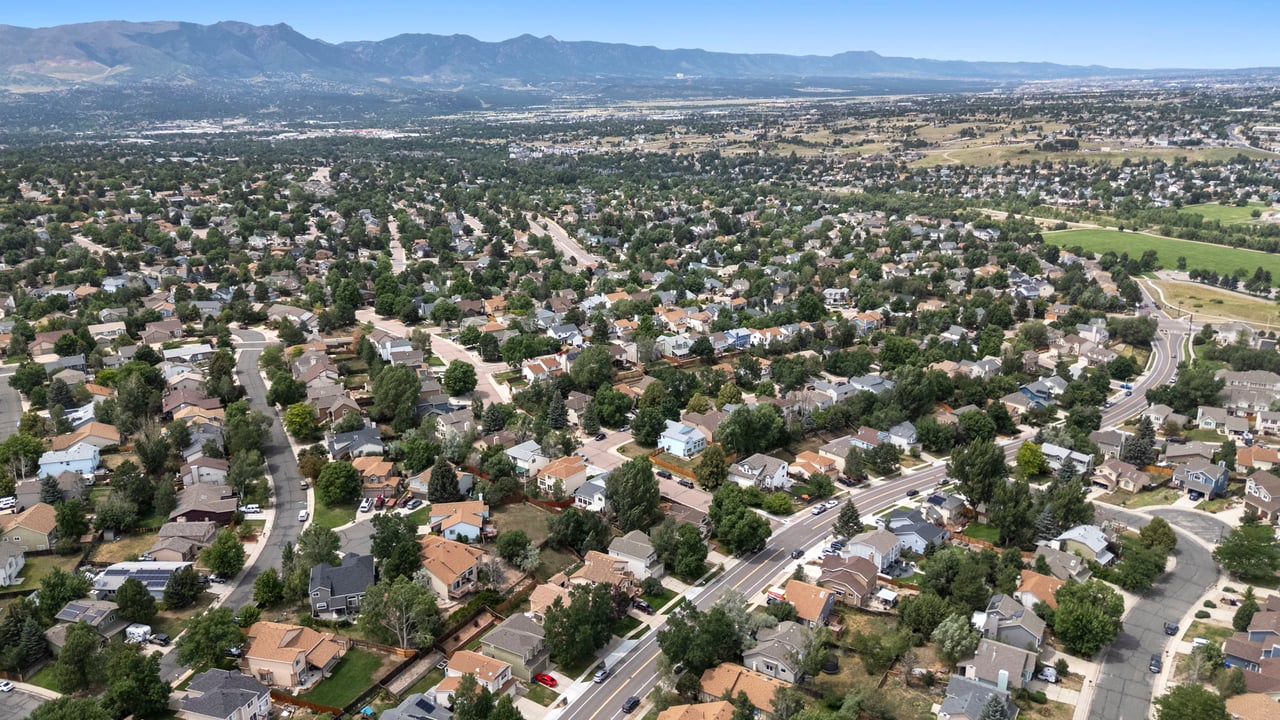
Choosing where to live in Colorado Springs can be as important as choosing the home itself. Two homes with similar prices may offer very different daily experiences depending on commute routes, nearby services, housing styles, and access to parks or other amenities. If you are moving to the area, it can be tempting to start with a list of the “best” neighborhoods. A more useful approach is to identify what your household needs, then compare areas that meet those requirements.
Start With Your Daily Routine
Before looking at neighborhoods, list the places you expect to visit regularly. These may include work, school, childcare, grocery stores, medical providers, family, and recreational activities. Consider how often you will travel to each place and what time of day you will usually go. A neighborhood that is convenient for weekend recreation may be less practical if it adds significant time to your daily commute.
Interstate 25 is a major north-south route. Powers Boulevard, Academy Boulevard, and other major roads serve different parts of the city. Traffic patterns and access can vary considerably by time and location. Use mapping tools to estimate trips during the hours you would actually travel. If possible, visit the area during morning and evening commute periods rather than relying on a midday drive.
Understand the Main Areas of Colorado Springs
Colorado Springs is a large city with a mix of established neighborhoods, newer developments, townhomes, condominiums, and detached houses. The wider Pikes Peak region also includes nearby communities with different services, commute patterns, and housing options. Here are some broad starting points for your search. These are general descriptions, not rankings or guarantees about prices, schools, or neighborhood character.
North Colorado Springs and Briargate
The northern part of the city includes a range of suburban neighborhoods, shopping areas, parks, and housing developments. Buyers may find detached homes, townhomes, and newer construction, depending on the area. This part of the city may be worth exploring if your regular destinations are in northern Colorado Springs or nearby employment centers. If you commute south, downtown, or to a military installation elsewhere in the region, test the route before deciding.
Downtown and Central Colorado Springs
Central areas include a mix of older homes, apartments, condominiums, and some newer residential developments. Depending on the specific location, residents may have closer access to restaurants, cultural activities, parks, and local businesses. Older properties may offer architectural character or established landscaping, but condition, parking, floor plans, and maintenance needs vary from home to home. If you value being closer to downtown activities, compare the actual walking routes, traffic, parking, and property condition for each location.
West Side, Old Colorado City, and Nearby Foothill Areas
The west side includes established neighborhoods, a variety of housing styles, and access to outdoor recreation in parts of the area. Old Colorado City has a historic commercial district with shops and restaurants. Some properties may offer views or convenient access to foothill trails. Others may have sloped lots, older systems, or different access and maintenance considerations. Do not assume that every west-side property has mountain views or is close to a trail. Check the specific location and visit the property in person when possible.
East and Northeast Colorado Springs
Eastern and northeastern areas include established subdivisions, newer residential development, shopping centers, and a variety of home sizes and price points. These areas may be worth comparing if you need access to destinations along Powers Boulevard or in the eastern part of the region. Commute convenience depends on your actual destination, not simply the neighborhood name.
South Colorado Springs and Nearby Communities
Southern Colorado Springs and nearby communities offer a mix of established neighborhoods, newer subdivisions, townhomes, and detached homes. Buyers working in the southern part of the region may want to compare areas based on commute, budget, and access to everyday services. If you are considering a nearby community outside Colorado Springs city limits, check which local government and service providers apply. City boundaries, school districts, utility arrangements, and property rules do not always follow neighborhood names or postal addresses. For an overview of communities throughout the region, see Visit Colorado Springs' area guide.
What Type of Home Do You Need?
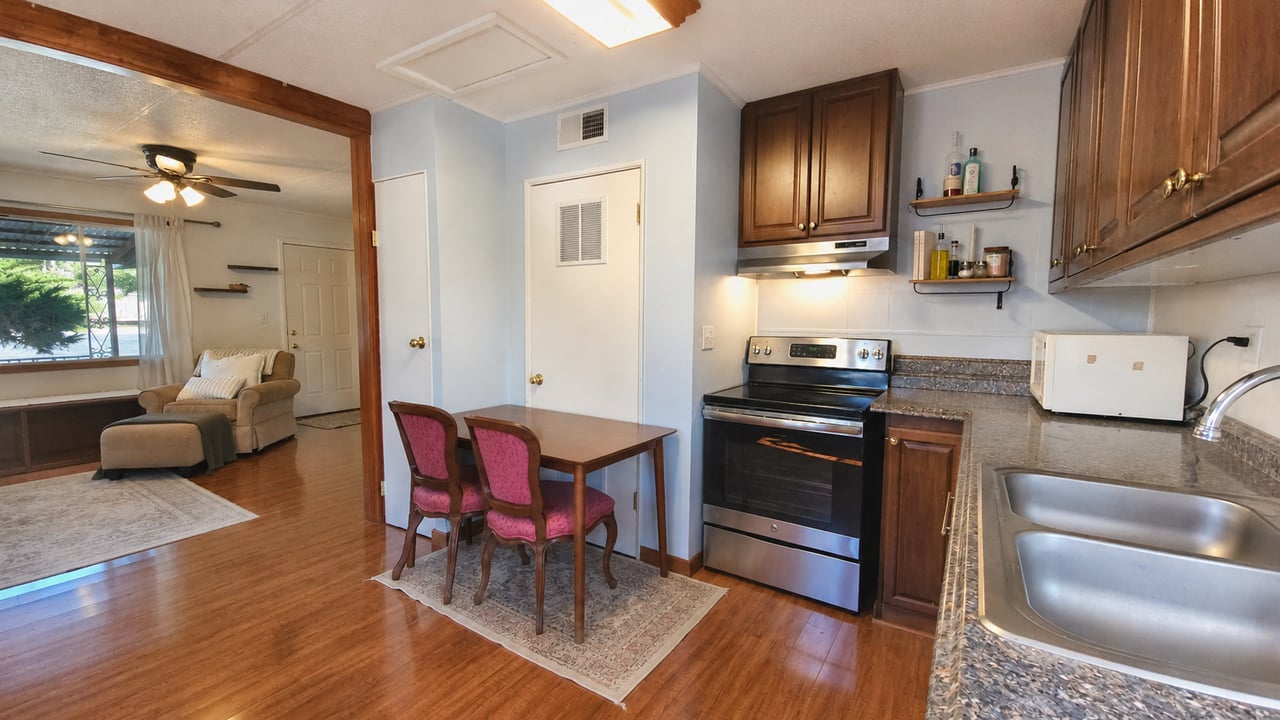
Your preferred home type can narrow the search considerably. A detached home may offer more privacy, outdoor space, and control over the property, but it also comes with responsibility for maintenance. A townhome or condominium may reduce some exterior maintenance responsibilities, though association dues, rules, insurance arrangements, and shared costs require careful review.
Newer construction may offer modern layouts and newer systems. Older homes may have established landscaping or a location closer to central amenities, but condition varies widely.
Think about the features that matter most to your household:
- Number of bedrooms and bathrooms
- Finished square footage and layout
- Garage or off-street parking
- Yard size and outdoor space
- Basement or storage needs
- Accessibility and stairs
- HOA dues and restrictions
- Age and condition of major systems
Make a distinction between requirements and preferences. A feature that is essential to your household should carry more weight than one that would simply be nice to have.
How Important Are Schools and Childcare?
If school access matters to your household, verify the assigned school for the specific property rather than relying on a neighborhood name or a third-party map. Boundaries and enrollment rules can change, and a mailing address does not always tell you which school a home is assigned to. Contact the relevant school district to confirm current requirements. You should also research childcare availability, transportation, after-school programs, and the practical route between home, school, and work. If schools are not relevant to your household, consider other community services that affect your routine, such as libraries, medical providers, parks, or public transportation.
What Amenities Matter to You?
Make a list of the places you expect to use regularly. Examples include grocery stores, gyms, trails, parks, restaurants, libraries, and healthcare facilities. Then check the actual distance and route from the homes you are considering. A business that looks close on a map may be difficult to reach on foot or may require crossing a busy road. For outdoor recreation, look at the specific trail access, parking, terrain, and distance from the home. A nearby park can be a benefit, but proximity alone does not tell you whether the facilities or trails fit your needs.
Look Beyond the Listing Photos
When you visit a neighborhood, pay attention to factors that may not be obvious online. Notice traffic and road noise, parking, street lighting, sidewalks, property upkeep, nearby construction, and how easy it is to get in and out of the area. Visit at different times if possible. Review property-specific details such as flood risk, drainage, wildfire exposure, insurance availability, and any HOA or local restrictions that could affect how you use the property. These considerations vary by location and should be verified rather than assumed.
A Simple Way to Compare Neighborhoods
Choose three to five areas that fit your initial budget and commute requirements. For each area, compare a few available homes and note:
1. Expected monthly housing cost
2. Typical commute at your actual travel time
3. Home types and sizes available
4. Access to the services you use most
5. Maintenance, HOA, and property-specific considerations
This gives you a consistent way to compare options instead of trying to remember how each neighborhood felt.
Find an Area That Fits Your Life
There is no single best neighborhood for every buyer. The right choice depends on how you live, where you need to go, what you can comfortably afford, and which trade-offs you are willing to make.
I help buyers compare areas throughout Colorado Springs and El Paso County, connect property features with their priorities, and narrow the search to homes that fit their needs.
Contact me to discuss which Colorado Springs neighborhoods may fit your plans.
Neighborhood descriptions are general. Verify current property availability, school assignments, commute conditions, services, and property-specific risks before making a purchase decision.