An assumable VA mortgage can be useful for both buyers and sellers, particularly when the existing loan has a lower interest rate than current mortgage rates. Instead of obtaining a completely new mortgage, the buyer takes over the seller's existing VA loan. The buyer assumes responsibility for the remaining loan balance and its existing terms, subject to approval. This can create an opportunity for a buyer to obtain financing at an interest rate that may no longer be available on a new mortgage.
However, there are important details to understand. The buyer still has to qualify for the assumption, the seller needs to understand their liability, and the difference between the home's price and the remaining mortgage balance must be addressed.
What is an assumable VA mortgage?
An assumable mortgage allows a buyer to take over an existing mortgage rather than obtaining a new loan to pay off the seller's mortgage.
For example, imagine a home is being sold for $450,000 and the seller has an existing VA loan balance of $300,000. If the buyer assumes the $300,000 loan, the buyer still needs to account for the remaining $150,000, plus applicable closing costs and other adjustments. The buyer does not receive a new $450,000 mortgage at the seller's interest rate. The buyer assumes the existing loan balance and its terms.
The actual loan balance will be lower or higher depending on the seller's current payoff and the final sale price.
Who can assume a VA loan?
A VA loan may be assumed by a qualified buyer, including someone who is not a veteran. The buyer must meet the applicable credit and income underwriting requirements, and the existing loan must be current. The loan servicer or VA must approve the assumption through the required process. A buyer cannot simply agree with the seller to take over the payments and transfer ownership.
The assumption process should be started early because it may take longer than a typical purchase mortgage. The VA provides information about the assumption process and requirements through its VA home loan resources.
Why would a buyer want to assume a VA mortgage?
The main reason is often the interest rate. Suppose the seller has a mortgage with a 3% interest rate, while new mortgage rates are considerably higher. If the buyer qualifies to assume the existing loan, the buyer may be able to keep that lower interest rate on the remaining loan balance. That can reduce the monthly principal and interest payment on that portion of the financing.
However, the buyer must consider the entire purchase price, not just the assumed mortgage. The buyer may also need a separate source of financing to cover the difference between the sale price and the existing loan balance.
How does the buyer finance the equity gap?
The equity gap is the difference between the purchase price and the mortgage balance being assumed.
For example:
Item | Amount |
|---|---|
Purchase price | $450,000 |
Existing VA loan balance | $300,000 |
Equity gap | $150,000 |
The buyer needs to account for the $150,000 difference. Possible sources may include:
- Cash
- A second mortgage or other approved financing
- A combination of cash and financing
- Gift funds, if permitted under the applicable loan requirements
A second mortgage can make the transaction more complicated. The buyer needs to find a lender willing to provide the additional financing and coordinate it with the assumption.
The buyer should also compare the cost of that financing with the potential savings from assuming the lower-rate mortgage. An assumable loan is not automatically a better deal just because its interest rate is lower.
What happens to the seller's VA entitlement?
This is one of the most important parts of a VA loan assumption. When a veteran uses a VA loan to purchase a home, a portion of their VA entitlement is tied to that mortgage. If a buyer assumes the loan, the seller's entitlement does not automatically return. There are two important possibilities.
Assumption without substitution of entitlement
A qualified buyer, including a non-veteran, may be able to assume the loan. The seller may be released from liability if the assumption is properly approved, but the seller's VA entitlement generally remains tied to the loan until it is paid in full. This can affect the seller's ability to use the VA loan benefit for another purchase.
Assumption with substitution of entitlement
If the buyer is an eligible veteran with sufficient available entitlement, the buyer may be able to substitute their entitlement for the seller's. When the substitution is properly completed, the seller's entitlement can be restored.
The buyer must meet the VA's requirements for substitution, including having sufficient entitlement and meeting applicable occupancy guidelines.
These are separate issues. Do not assume that approval of an assumption automatically means the seller's entitlement has been restored. The seller should confirm the release of liability and entitlement substitution directly with the loan servicer and the VA. The VA explains these requirements in VA Form 26-10291, Assumption Entitlement Acknowledgment.
Is the seller still responsible for the mortgage?
The seller should not transfer ownership or rely on an informal payment arrangement. A properly approved assumption can release the seller from liability, but the seller needs to obtain the required written approval and release.
If the buyer simply agrees to make the seller's mortgage payments without an approved assumption, the original borrower may remain legally responsible for the debt. That can create serious problems if the buyer stops paying, damages the seller's credit, or defaults on the loan.
The seller should work directly with the mortgage servicer to understand the required process and obtain documentation confirming the outcome.
How long does an assumption take?
The timeline depends on the loan servicer, the completeness of the buyer's application, and the specific approval process. VA guidance establishes processing timelines for servicers with and without automatic authority. For servicers with automatic authority, the guidance generally calls for a decision within 45 calendar days after receipt of a complete application. Other assumptions may require submission to VA for prior approval.
That does not mean every assumption will close in 45 days. The buyer still needs to provide documentation, meet underwriting requirements, and complete the closing process.
If you are selling because of PCS orders, the assumption timeline is especially important. Discuss the expected processing time with the servicer before relying on an assumption as your sale strategy.
What should buyers and sellers ask before moving forward?
Buyers should ask:
- What is the current unpaid principal balance?
- What is the interest rate?
- How many years remain on the loan?
- What is the current monthly payment?
- Are property taxes and insurance included in the payment?
- How much cash or additional financing will be needed?
- What fees are associated with the assumption?
- How long does the servicer expect the process to take?
- Will the buyer qualify for substitution of entitlement, if applicable?
Sellers should ask:
- Will I receive a formal release of liability?
- Will my VA entitlement remain tied to the loan?
- Can the buyer substitute their entitlement?
- What documentation will confirm the entitlement outcome?
- How will the assumption affect my ability to use a VA loan for another home?
- What happens if the buyer does not complete the assumption?
Are assumable VA mortgages common in Colorado Springs?
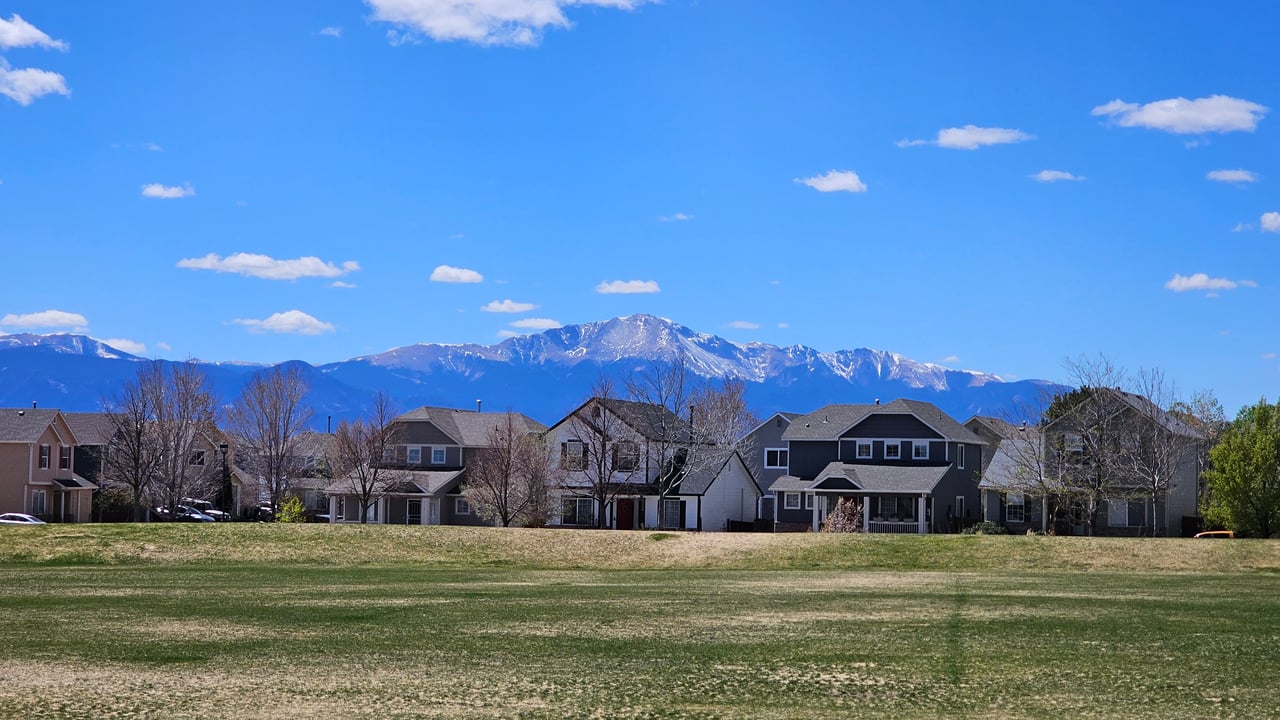
Colorado Springs has a substantial military population, including active-duty service members and veterans. Many homes have been purchased using VA financing, which means some properties may have existing VA mortgages that are assumable.
However, not every VA-financed home is being offered with an assumption, and not every assumption will make financial sense. The most important details are the remaining loan balance, interest rate, monthly payment, equity gap, and the buyer's ability to qualify.
For sellers, the decision also involves the effect on VA entitlement and the timing of the transaction.
Understanding the numbers before making a decision
An assumable mortgage can create an opportunity, but the details matter. A buyer needs to compare the cost of assuming the loan and financing the equity gap with the cost of obtaining a new mortgage. A seller needs to understand the release of liability and whether their VA entitlement will be restored.
I help Colorado Springs buyers and sellers evaluate the real estate side of these transactions, including pricing, offers, and the practical steps involved in coordinating a sale.
For loan approval, assumption processing, and entitlement questions, the mortgage servicer and the VA should provide the final answers.
Visit KevinJamesBond.com to learn more or schedule a conversation.
VA loan assumptions are subject to approval and applicable underwriting requirements. This article is general information, not legal, tax, or mortgage advice. Buyers and sellers should confirm current requirements with the loan servicer and the VA.